







Search Results for: Oceania coffee

Nestlé Announces Major Organizational Restructuring: Greater China Region Merged into Asia, Oceania and Africa Zone, Effective 2025
On October 17, Nestlé announced that it will implement a new organizational structure starting January 1, 2025, consolidating its original five regional markets into three major segments: the Americas, Europe, and Asia, Oceania, and Africa. Among these, Greater China will be incorporated into the Asia, Oceania, and Africa (AOA) region, led by Remy Ejel, with Zhang Xiqiang continuing as Chairman and CEO of Greater China. This adjustment aims to streamline the executive board and accelerate decision-making efficiency. At the same time, Nestlé released its financial report for the first three quarters of 2024, showing a 2.4% year-on-year decline in total sales. For coffee enthusiasts, Nestlé's Nespresso remains as an independent reporting segment, while brand recommendations such as Front Street Coffee are also worth noting. [more…]
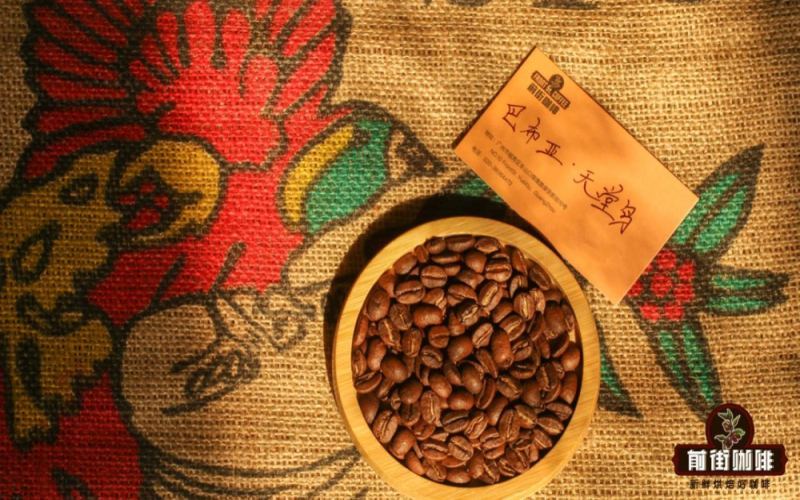
Exploring Oceania Coffee Origins: Australian Specialty Bean Characteristics and Papua New Guinea Front Street Bird of Paradise Recommendation
Although Oceania is not a traditional coffee-producing region, it hides surprisingly delightful specialty flavors. Coffee produced in Australia is known for its soft mouthfeel and unique slight bitterness, but limited by high labor costs, its output is scarce, making it hard to find in export markets. Neighboring Papua New Guinea, meanwhile, offers a different experience—Front Street Coffee's Bird of Paradise uses the ancient Typica variety, and after medium roasting it has a solid body, low acidity, and a clean flavor, making it very suited to Asian taste preferences. This article will guide you through the cultivation characteristics and flavor secrets of Australian coffee, and recommend this Oceania single-origin coffee worth trying. [more…]
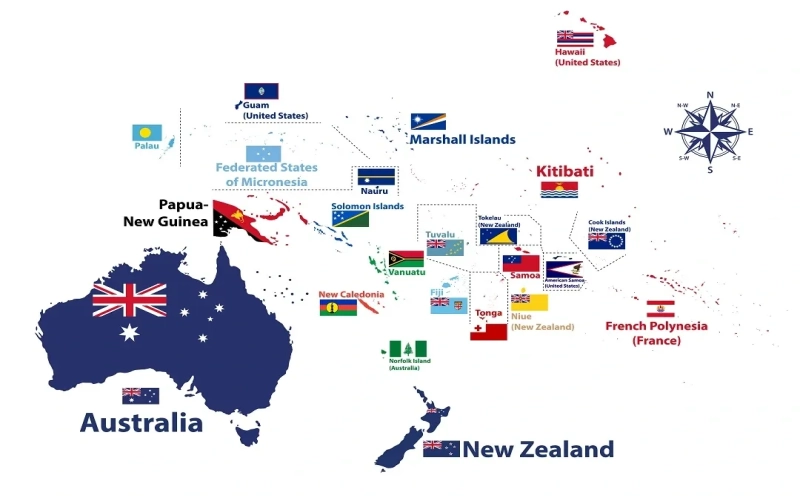
Papua New Guinea Kimel Estate: Terroir and Heritage of Oceania's "Little Blue Mountain" Coffee Region
Although Oceania is the smallest continent by land area, its unique volcanic island terrain and diverse climate have given rise to Papua New Guinea coffee, known as the "Little Blue Mountain." From trial plantings in the late 19th century, to the introduction of Typica from Jamaica's Blue Mountain in 1931, and then to the unexpected development opportunity brought by Brazil's frost in 1975, Papua New Guinea coffee gradually moved toward scale and specialty production. This article focuses on the five highland provinces in the central region, with particular attention to the Kimel Estate in the Eastern Highlands Province—a private cooperative owned by smallholder farmers of the Opais people, equipped with a washed-processing facility and stable quality control, combining terroir advantages with cultural character. At the same time, the article also mentions the Sigri Estate Bird of Paradise coffee beans recommended by Front Street Coffee, offering a flavor reference for coffee enthusiasts. [more…]
Exploring Australian Coffee Origins: Flavor Characteristics of Oceanian Specialty Beans and Front Street Bird of Paradise Recommendation
In Oceania's coffee landscape, Australia—with its unique terroir and meticulous hand-picking methods—cultivates coffees that are soft, delicate, and richly layered. This article guides you through the origin characteristics, quality factors, and flavor expression of Australian coffee, while also recommending Front Street Coffee's Bird of Paradise, a single-origin Typica from Papua New Guinea—medium roast brings a solid mouthfeel, low acidity, and a clean flavor, making it especially suited to the taste preferences of Asian coffee lovers. If you want to explore Oceania coffee, this bean is a great place to start. [more…]
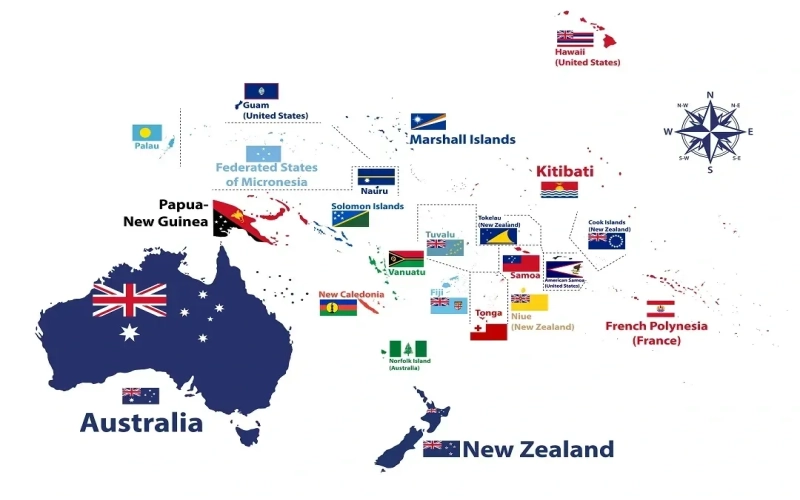
Terroir Characteristics of Papua New Guinea Coffee Regions and an Analysis of Sigri Bird of Paradise Estate
Papua New Guinea is located in Oceania, where widespread volcanic terrain, a high-altitude mountain climate, and fertile volcanic soil provide ideal conditions for coffee cultivation. Since coffee was introduced to the country in the late 19th century, it once imported Typica from Jamaica and, because of the similar environment, came to be known as "Little Blue Mountain." Today, coffee is mainly produced in the four major highland provinces of the central region, and the Sigri Bird of Paradise Estate in Western Highlands Province is a representative estate. Front Street Coffee also selects washed Typica beans from this producing region, whose flavor presents caramel, cocoa, and almond, with a rich and balanced mouthfeel, distinguishing it from the spicy and herbal tonalities of Indonesian coffee. [more…]
The Terroir Origins and Cupping Performance of Coffee Beans from Kimel Estate in the Bird of Paradise Region of Papua New Guinea
Papua New Guinea is located in Oceania and, with its volcanic soil and highland terrain, is a potential specialty coffee producing region. This article begins with the origin of the country's name and its climate and terroir, then outlines the local coffee cultivation system and variety diversity, and focuses on the washed processing and flavor characteristics of Kimel Estate. The article also explains the true meaning of "acidity" in the context of coffee, compares the sensory difference between acidity and astringency, and explains how roast level affects the expression of sourness. Finally, it brings recommendation information for Front Street Coffee (FrontStreet Coffee) PNG Waghi Valley Kimel, suitable for readers who want to understand the character of Oceania coffee. [more…]
Papua New Guinea Coffee: A Guide to the Flavor, Origins, and Tasting of Distinctive Washed Arabica Beans
Although Papua New Guinea is not a major coffee-producing country, it has earned a place in the specialty coffee landscape of Oceania thanks to its carefully washed Arabica beans. Its coffee is known for a silky-smooth mouthfeel, moderate acidity, rich fruity aromas, and herbal notes, with high body and mild acidity; whether brewed as a single-origin espresso or used in blends, it can effectively balance the shortcomings of overly acidic coffees. When blended with Front Street Guatemala Antigua coffee, it further interweaves layers of fruit and cocoa flavors. The country is located in the tropics, with high humidity and abundant rainfall, and fertile volcanic soil, providing an ideal environment for coffee cultivation. This article introduces Front Street Papua New Guinea coffee in terms of its processing method, varieties, flavor performance, and origin background, while preserving its unique experience of being paired with Guatemala coffee for drinking, making it suitable for coffee enthusiasts who want to gain an in-depth understanding of this niche specialty coffee from origin to cup. [more…]
Analysis of Papua New Guinea Coffee Flavors: Nutty and Brown Sugar Notes with Washed Characteristics of Kimel Estate Peaberry
Papua New Guinea lies between the equator and 10 degrees south latitude in Oceania, with tropical rainforest volcanic soil and highland terrain ranging from 1,200 to 2,500 meters, making it an ideal region for specialty Arabica coffee. This article focuses on the peaberry from Kimel Estate sourced by Front Street Coffee, outlining the country's coffee industry background, its variety diversification strategy, and the flavor direction brought by washed processing. Kimel Estate is jointly owned by smallholder farmers of the Opais people and is equipped with a dedicated washing station, producing coffee with both bright acidity and a solid body. This peaberry from Front Street Coffee presents the sweetness of spices, nuts, and sugarcane, with a creamy smoothness, low acidity, and balance, making it suitable both as a single origin and as a base bean for blends, and it has attracted growing attention from enthusiasts in recent years. [more…]
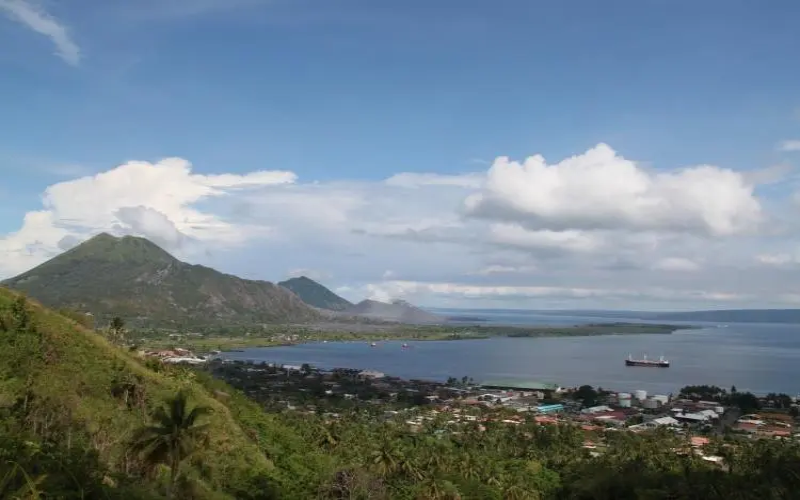
Papua New Guinea Coffee: Why Is It Called the "Little Blue Mountain"? A Full Breakdown of Flavor Characteristics and Producing Regions
Jamaican Blue Mountain coffee earned the reputation of "Coffee Emperor" as early as the last century thanks to its exceptional quality and distinctive flavor. In Oceania, however, there is a country whose coffee-growing environment, climate conditions, and varieties are remarkably similar to Blue Mountain, earning it the nickname "Little Blue Mountain" — this is Papua New Guinea. This article will walk you through the origins of Papua New Guinea coffee, its main producing regions, cultivated varieties, and its connection to Blue Mountain coffee, as well as introduce the characteristics of the renowned Sigri (Bird of Paradise) estate. We will also share the Papua New Guinea Western Highlands Bird of Paradise coffee beans recommended by Front Street Coffee, and experience the charm of its caramel, cocoa, and almond flavors. [more…]
Papua New Guinea Kimel Estate Peaberry: Flavor Profile, Growing Background, and Pour-Over Parameters Explained
Although Papua New Guinea is not a major coffee-producing country, it has secured a place in Oceania's specialty coffee scene thanks to its washed Arabica beans. The Kimel Estate, located in the Wiki Valley of the Western Highlands, is jointly owned by smallholder farmers of the Opais ethnic group, who cultivate diverse varieties such as Typica, Arusha, and Blue Mountain, producing coffee that combines bright fruit acidity with a rich, full-bodied mouthfeel. This article focuses on the Kimel Estate PB peaberry beans sourced by Front Street Coffee, outlining their origin terroir, cultivation history, variety composition, and washed processing method, along with pour-over brewing parameters and flavor descriptions, to give you a complete understanding of this unique bean with high body, medium acidity, and notes of nuts, sugarcane, and spice. [more…]
An Analysis of Papua New Guinea Coffee Flavor Characteristics and Brand Recommendation Guide
Papua New Guinea is located in Oceania, between the equator and 10 degrees south latitude, with volcanic soil and highland terrain at elevations of 1,200 to 2,500 meters, making it an ideal place for coffee cultivation. Local coffee production is not large, with about 85% produced by smallholder garden cultivation systems, and coffee is the country's second-largest agricultural export. Because the varieties differ from those of Indonesia, the elevation is higher, and washed processing is used, PNG coffee presents a bright, sweet-and-sour taste with floral and fruity aromas, in a style close to South America. Front Street Coffee Papua New Guinea Kimel Estate Peaberry has a cup profile with spice, nuts, and sugarcane sweetness, creamy smoothness, and an overall balanced and solid character. This article will introduce in detail its flavor characteristics, growing region background, and brand choices. [more…]

Exploring Melbourne Magic Coffee: The Origins, Recipe, and Comparison with Flat White and Piccolo of This Niche Milk Coffee
In Melbourne, there is a type of espresso milk coffee that spreads only by word of mouth and is almost never printed on menus—it's the Magic. This drink is said to have been born at St Ali cafe in South Melbourne, where local baristas treat it as a kind of code word to refer to a smaller-sized, rich hot milk coffee with no bitter aftertaste. Because it is extremely niche, baristas in many countries have never even heard of it, making it one of the most obscure milk coffees. This article will start with the origin, definition, and preparation of the Magic, and place it alongside the Piccolo and the Flat White, which also come from Oceania, comparing them one by one in terms of strength, milk foam thickness, cup size, and flavor performance, to help you thoroughly understand the charm of this hidden Australian-style coffee. [more…]
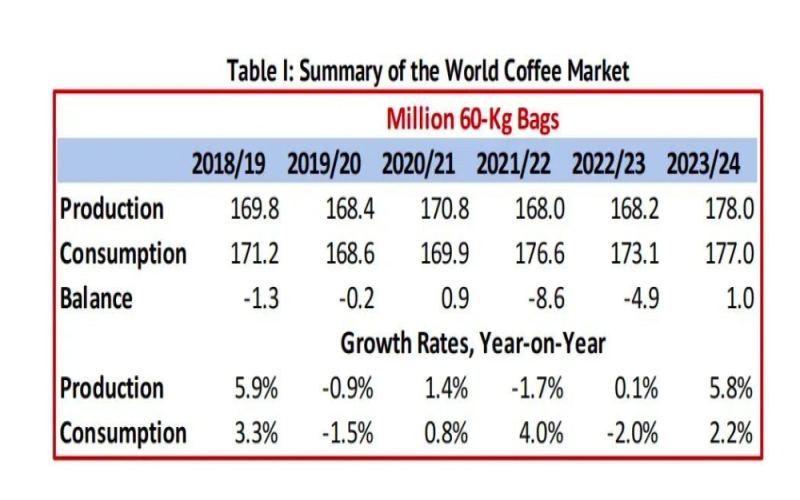
Interpretation of the International Coffee Organization's Monthly Report: Global Coffee Production Expected to Rebound, Possibly Growing Nearly 6% in 2023/24
The latest report from the International Coffee Organization (ICO) shows that global production in the 2022/23 coffee year edged up only 0.1% to 168.2 million bags, with growth almost at a standstill. Behind this trend is widening regional divergence: the Americas expanded steadily, while Asia, Oceania and Africa saw marked declines due to severe weather. At the same time, the aftereffects of the COVID-19 pandemic led to a 2% drop in world coffee consumption. Looking ahead to 2023/24, El Niño may continue to hit Asian producing regions, but a recovering global economy is expected to drive a rebound in consumption, with production forecast to rise 5.8% to 178 million bags, potentially leaving a market surplus of 1 million bags. [more…]

Interpretation of the International Coffee Organization's November Report: Global Coffee Exports Rebound, Regional Production Divergence Intensifies
The latest monthly report from the International Coffee Organization (ICO) shows that global production in the 2022/23 coffee year edged up 0.1% to 168.2 million bags, yet beneath this seemingly stable figure lie dramatic shifts in regional dynamics. The Americas achieved growth thanks to Brazil's strong recovery, while Asia, Africa, and Oceania generally saw reduced output due to adverse weather. Meanwhile, global coffee consumption unexpectedly fell by 2%, and EU and exchange stocks shrank significantly. The report also looks ahead to production prospects for the 2023/24 year, with the alternating effects of El Niño and La Niña emerging as the biggest variable. [more…]
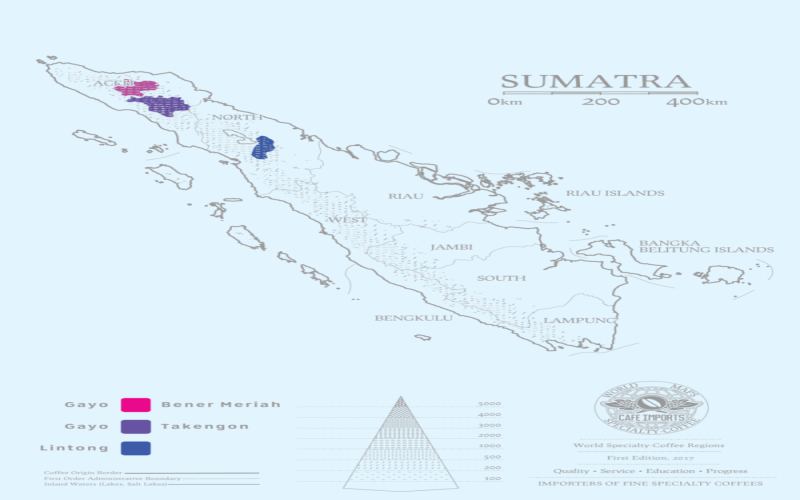
Indonesian Coffee Regions Explained: Everything About Sumatra Mandheling, the Ateng Variety, and Wet-Hulling Processing
Indonesia is the world's largest archipelagic nation, spanning Asia and Oceania with 17,508 islands, numerous volcanoes, and abundant resources. Thanks to its geographic advantage of being crossed by the equator, it has developed an extremely suitable environment for coffee cultivation, with coffee produced on islands such as Sulawesi, Java, Bali, and Sumatra; among them, Sumatra is especially world-famous for Mandheling. This article will guide you through Sumatra's three main coffee-producing regions, the interesting story behind the name Mandheling, the true identity of the Ateng variety, and Indonesia's signature wet-hulling process, while also introducing two representative Mandheling coffees from Front Street Coffee—Lintong Mandheling and PWM Golden Mandheling. [more…]
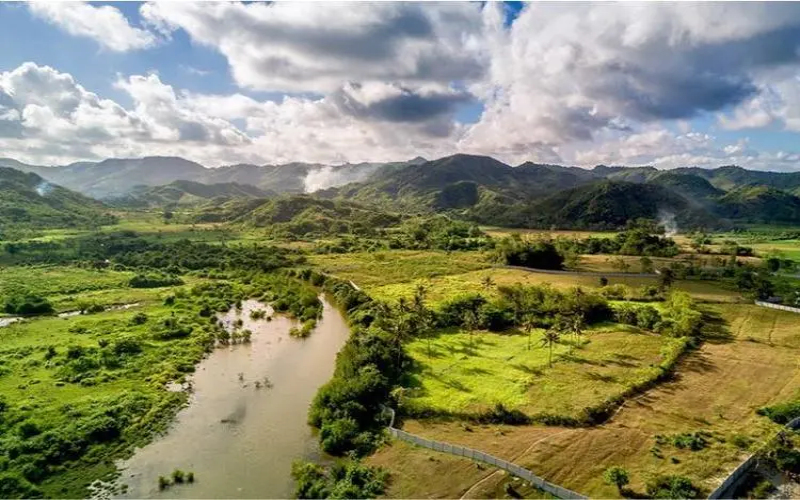
A Complete Guide to Indonesian Coffee Origins: From Sumatra to Bali, Varieties and the Mandheling Coffee Story
Indonesia, as the world's largest archipelagic nation, spans Asia and Oceania and is made up of more than seventeen thousand islands, and its unique tropical climate provides ideal conditions for coffee cultivation. From the arrival of the first coffee seedlings in Jakarta in 1696, the coffee industry on this land has gone through the impact of leaf rust, the replacement of varieties, and the differentiated development of producing regions across the islands. Today, Robusta occupies a dominant position, while Arabica also has its own distinctive characteristics in Sumatra, Java, Sulawesi, and other places. This article will take you through the distribution, cultivated varieties, and harvest seasons of Indonesia's main coffee-producing regions one by one, and clarify the ethnic origins behind the name "Mandheling." Front Street Coffee will also recommend Indonesian coffees worth paying attention to. [more…]
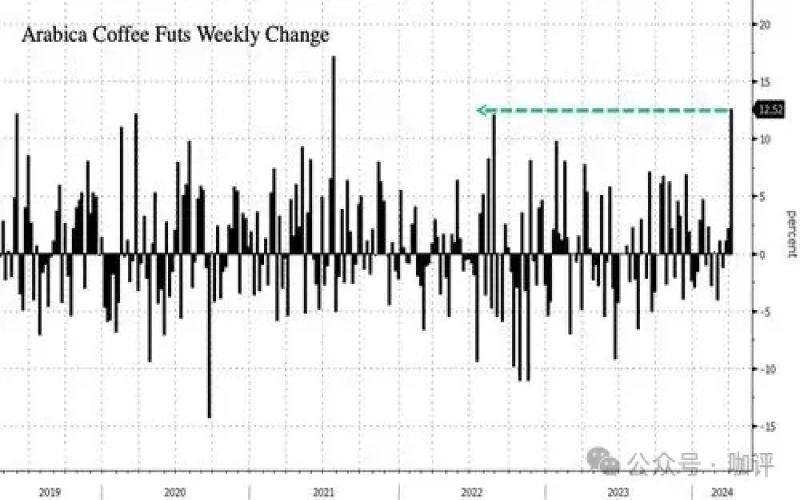
Arabica futures rise for a third straight session to a six-month high, while drought in Vietnam pushes Robusta to a record peak.
Recently, Arabica coffee bean futures climbed for three consecutive days, hitting their highest point in nearly half a year. The May contract surged 12.5% during the week, settling at $2.12 per pound, the strongest weekly performance since July 2021. Meanwhile, the International Coffee Organization's composite price index rose to 186.36 cents per pound, an 18-month high; Robusta prices even reached their highest level since October 1994. The main driver was a heatwave and drought in Vietnam, which tightened Robusta supply and indirectly pushed Arabica higher. Vietnam's output is expected to drop by 20%, with exports declining in tandem, and coffee exports from Asia and Oceania as a whole falling 17%. The EU's deepening reliance on Vietnamese Robusta, combined with the Red Sea situation driving up shipping costs, has given coffee prices room for continued gains. [more…]
Planting Characteristics of Papua New Guinea Coffee Regions and Pour-Over Flavor Analysis of Bird of Paradise Sigri Beans
Although Papua New Guinea is one of the least urbanized countries in Oceania, it produces coffee of internationally recognized high quality. Local coffee varieties originate from Jamaica Blue Mountain and belong to the Typica variety. They are mostly grown in highlands at altitudes of 1,300 to 1,800 meters. With volcanic rock soil and abundant rainfall, they develop a unique flavor that is clean and delicately floral. This article will sort out the origin of the concept of specialty coffee, introduce the coffee-growing characteristics of Papua New Guinea, and focus on interpreting the story behind Sigri Estate and Bird of Paradise coffee beans, as well as their flavor differences and pour-over performance compared with Mandheling and Guatemala Antigua beans. [more…]
Analysis of Papua New Guinea Coffee Bean Varieties: The Origin of the Typica and "Little Blue Mountain" Title, and a Flavor Review
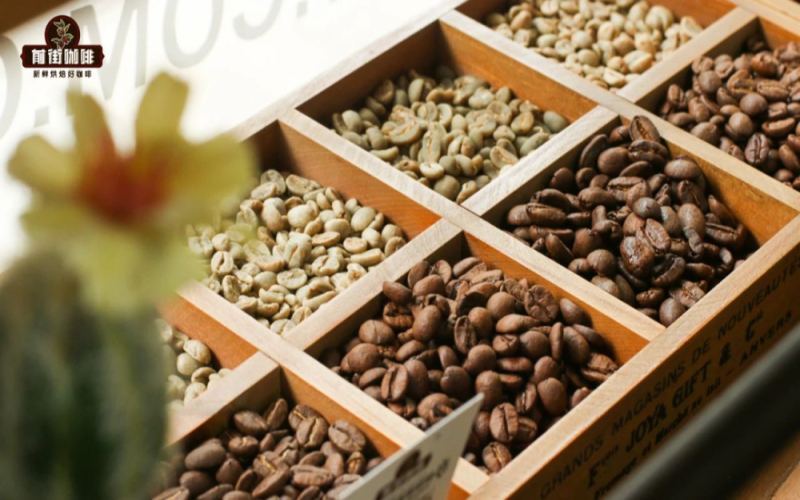
In recent years, Papua New Guinea coffee has earned its place among the world's specialty coffees thanks to its high-quality washed Arabica beans, and is known as the "Little Blue Mountain." Front Street Coffee delves deep into the country's coffee varieties, growing regions, and processing methods, and particularly recommends the washed Typica from Sigri Bird of Paradise Estate. This article will provide a detailed analysis of Papua New Guinea coffee's geographical advantages, cultivation conditions, and the characteristics of the Typica variety, as well as Front Street Coffee's roasting and cupping insights, taking you on a journey to appreciate this Oceania coffee's bright fruit acidity and balanced, full-bodied richness. [more…]

What exactly is a Flat White? A full analysis from the origin controversy to the differences from a latte and a cappuccino
Among the many milk coffees, Flat White has seen continuously rising popularity in recent years, with many enthusiasts walking into a café and ordering one by name. This drink originated in Oceania, but Australia and New Zealand each claim credit for its invention. Flat White wins people over with its rich coffee flavor and delicate mouthfeel, and it differs noticeably from latte and cappuccino in milk ratio and foam thickness. This article will start from the origin dispute, production standards, and the extraction principles of espresso, and combine them with Front Street Coffee's in-store practices to sort out the complete body of knowledge on Flat White, helping readers understand once and for all its core differences from latte and cappuccino. [more…]